
Neuropathic Pain Treatment in Gurgaon
Advanced Neuropathic Pain Management by Dr. Raman Yadav
Neuropathic pain is a type of pain caused by damage, irritation, or dysfunction of the nerves. Unlike ordinary muscle or joint pain, nerve pain can feel like burning, electric shocks, pins and needles, or shooting pain.
Dr. Raman Yadav, Pain Management Specialist in Gurgaon, provides comprehensive evaluation and personalized treatment for patients experiencing chronic neuropathic pain. Depending on the underlying cause, treatment may include medications, nerve blocks, image-guided procedures, physiotherapy, and other interventional pain management techniques.
The goal is to control nerve pain, improve function, and help patients return to their daily activities with greater comfort.
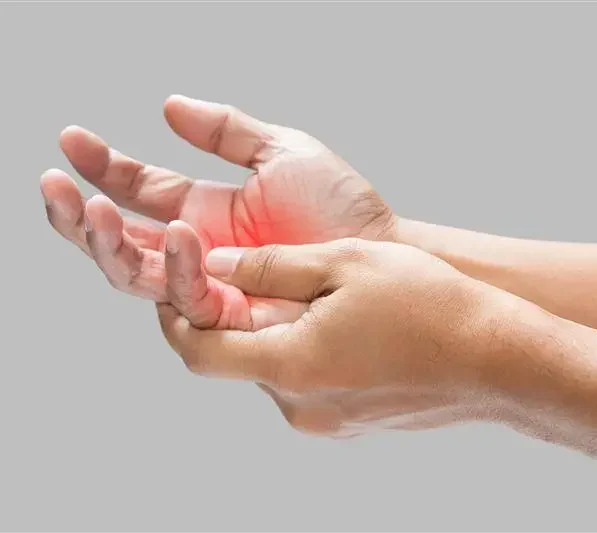
What Is Neuropathic Pain?
Neuropathic pain occurs when nerves that carry signals between the body and brain become damaged, irritated, or dysfunctional.
It can develop after an injury, surgery, infection, certain medical conditions, chemotherapy, or nerve compression.
Neuropathic pain may be constant or intermittent and can affect a specific area or multiple parts of the body.
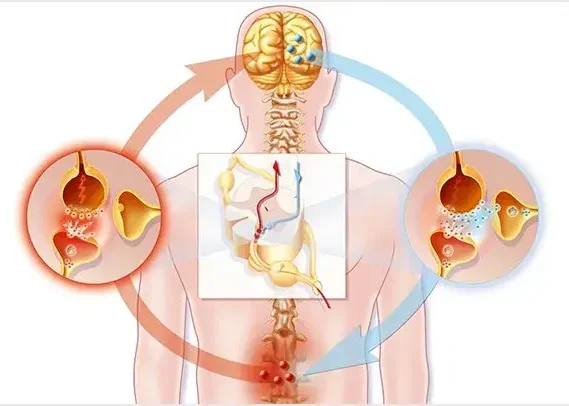
Common Types of Neuropathic Pain
Diabetic Neuropathy
High blood sugar over time can damage nerves, commonly affecting the feet and legs.
Sciatica
Compression or irritation of a spinal nerve can cause shooting or burning pain that travels from the lower back into the buttock and leg.
Post-Herpetic Neuralgia
Persistent nerve pain may occur after shingles, sometimes lasting for months or longer after the rash has healed.
Trigeminal Neuralgia
This condition causes episodes of severe, electric-shock-like facial pain involving the trigeminal nerve.
Post-Surgical Nerve Pain
Nerve irritation or injury following surgery can sometimes result in persistent pain around the surgical area.
Chemotherapy-Induced Neuropathy
Certain chemotherapy medicines can damage peripheral nerves and cause burning, tingling, numbness, or pain.
Symptoms of Neuropathic Pain
- Burning sensation
- Electric shock-like pain
- Shooting pain
- Pins and needles
- Tingling
- Numbness
- Increased sensitivity to touch
- Pain from normally non-painful contact
- Sharp or stabbing pain
- Feeling of cold or heat
- Muscle weakness
- Pain that becomes worse at night
What Causes Neuropathic Pain?
- Diabetes
- Nerve compression
- Spinal disc problems
- Shingles
- Nerve injuries
- Surgery
- Chemotherapy
- Certain infections
- Vitamin deficiencies
- Alcohol-related nerve damage
- Autoimmune disorders
- Certain neurological conditions
When Should You See a Neuropathic Pain Specialist?
Burning or shooting pain persists.
You experience unexplained tingling.
Pain interferes with sleep.
Pain affects walking or daily activities.
You develop persistent pain after surgery.
Pain is becoming progressively worse.
Neuropathic Pain Treatment Options
Medication Management
Certain medicines are specifically used to manage nerve-related pain. Depending on your condition, treatment may include medications that target abnormal nerve signaling rather than simply reducing inflammation.
Medication selection and dosage are individualized according to your medical history and other medications.
Nerve Blocks
A nerve block involves delivering medication around a specific nerve or group of nerves responsible for transmitting pain.
It may provide temporary relief and can also help identify the source of pain in selected patients.
Epidural Injections
For neuropathic pain associated with spinal nerve irritation, such as certain cases of sciatica or radicular pain, an epidural injection may be considered.
The procedure delivers medication near the affected spinal nerves to help reduce inflammation and pain.
Selective Nerve Root Blocks
A selective nerve root block targets a particular spinal nerve that may be causing radiating pain.
It can be useful for selected patients with symptoms associated with nerve compression or irritation.
Radiofrequency Procedures
For certain chronic nerve-related pain conditions, radiofrequency techniques can be used to modify the activity of targeted pain-transmitting nerves.
The suitability of the procedure depends on the underlying cause and response to diagnostic treatment.
Sympathetic Nerve Blocks
In selected neuropathic pain conditions involving the sympathetic nervous system, sympathetic nerve blocks may be considered.
These procedures are generally performed under image guidance to accurately target the relevant structures.
Spinal Cord Stimulation
For carefully selected patients with severe chronic neuropathic pain that has not responded adequately to conventional treatment, spinal cord stimulation may be considered.
A device delivers controlled electrical stimulation near the spinal cord to modify pain signaling. Patient selection and a detailed evaluation are essential before considering this treatment.
Physiotherapy & Rehabilitation
Physical rehabilitation can play an important role in managing neuropathic pain.
Depending on the patient’s condition, rehabilitation may focus on: Improving mobility, Strengthening muscles, Balance training, Improving functional capacity, Desensitization techniques, Posture correction, Gradual return to activities
Managing Neuropathic Pain Without Major Surgery
Many neuropathic pain conditions can be managed using a combination of medication, rehabilitation, lifestyle modifications, and minimally invasive procedures.
A typical treatment approach may include:
Evaluation → Identify the Cause → Personalized Treatment → Pain Control → Rehabilitation → Follow-Up
The objective is to reduce pain while improving function and quality of life.
Benefits of Neuropathic Pain Management
Effective management may help with:
- Reduced burning and shooting pain
- Improved sleep
- Better mobility
- Reduced sensitivity
- Improved ability to perform daily activities
- Better participation in rehabilitation
- Improved quality of life
- Reduced reliance on pain medications in appropriate patients
Talk to a Neuropathic Pain Specialist Today
Dr. Raman Yadav, Pain Management Specialist in Gurgaon, offers personalized evaluation and advanced treatment options for neuropathic pain.
Frequently Asked Questions (FAQs)
What does neuropathic pain feel like?
Neuropathic pain commonly feels like burning, shooting, stabbing, electric shocks, tingling, or pins and needles. Some people also experience numbness or extreme sensitivity to touch.
Can neuropathic pain be cured?
The outcome depends on the underlying cause. Some nerve pain improves when the underlying problem is treated, while other chronic neuropathic conditions may require long-term pain management.
Is neuropathic pain the same as muscle pain?
No. Muscle pain generally originates from muscles or surrounding tissues, whereas neuropathic pain results from abnormal functioning, irritation, or damage of nerves.
Can diabetes cause neuropathic pain?
Yes. Long-term diabetes can damage peripheral nerves, particularly those in the feet and legs, resulting in diabetic peripheral neuropathy.
Can nerve pain be treated without surgery?
Yes. Many patients can be treated with medications, physiotherapy, nerve blocks, image-guided injections, and other minimally invasive techniques. Treatment depends on the underlying cause.
How long does neuropathic pain treatment take?
Treatment duration varies considerably. Some patients experience improvement after addressing the underlying cause, while chronic neuropathic pain may require ongoing management and rehabilitation.
When is spinal cord stimulation considered?
Spinal cord stimulation may be considered for carefully selected patients with persistent chronic neuropathic pain that has not responded adequately to appropriate conventional treatments.