
Joint Pain Treatment in Gurgaon
Advanced Joint Pain Management by Dr. Raman Yadav
Joint pain can make simple activities such as walking, climbing stairs, exercising, or even getting out of a chair difficult. It may develop because of arthritis, sports injuries, overuse, inflammation, tendon problems, or age-related joint changes.
Dr. Raman Yadav, Pain Management Specialist in Gurgaon, provides comprehensive evaluation and personalized treatment for different types of joint pain. Depending on the underlying cause, treatment may include medication, physiotherapy, image-guided injections, regenerative treatments, nerve blocks, and other minimally invasive pain management procedures.
The goal is to reduce pain, improve joint function, and help you return to your daily activities with greater comfort.
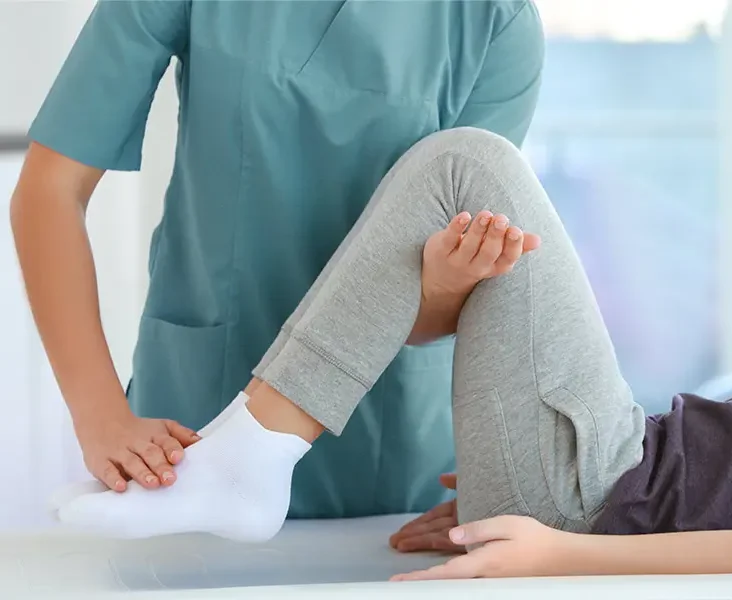
What Is Joint Pain?
Joint pain is discomfort, stiffness, or inflammation affecting the areas where two or more bones meet. It can affect a single joint or multiple joints and may be temporary or long-lasting.
Commonly affected joints include the knee, shoulder, hip, ankle, elbow, wrist, and small joints of the hands and feet.
Joint pain may occur because of an injury, arthritis, inflammation, repetitive stress, or degeneration of the tissues surrounding the joint.
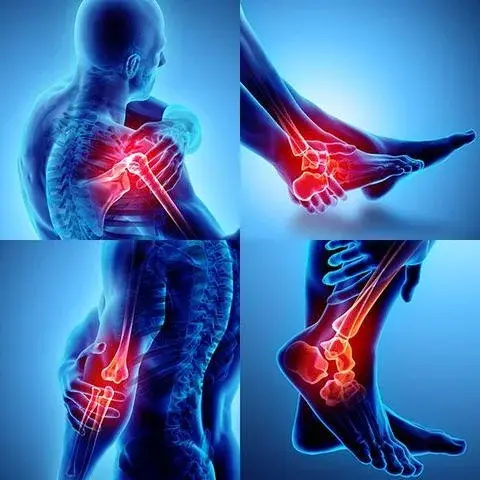
Common Types of Joint Pain
Knee Pain
Knee pain may occur due to osteoarthritis, sports injuries, ligament or meniscus problems, tendon disorders, or overuse.
Shoulder Pain
Shoulder pain may be associated with rotator cuff problems, frozen shoulder, arthritis, bursitis, or shoulder impingement.
Hip Pain
Hip pain can result from arthritis, tendon problems, bursitis, injuries, or referred pain from the spine.
Ankle Pain
Ankle sprains, arthritis, tendon injuries, and repetitive stress can cause persistent ankle pain.
Elbow Pain
Conditions such as tennis elbow, golfer’s elbow, arthritis, and sports injuries can cause elbow pain.
Wrist & Hand Pain
Joint inflammation, arthritis, repetitive strain, and injuries may contribute to wrist and hand pain.
Causes of Joint Pain
- Sports injuries
- Ligament injuries
- Tendon injuries
- Tendinitis
- Rheumatoid arthritis
- Joint inflammation
- Overuse injuries
- Previous trauma
- Age-related degeneration
- Poor biomechanics
- Repetitive movements
Symptoms of Joint Pain
- Joint pain
- Stiffness
- Swelling
- Tenderness
- Reduced range of motion
- Difficulty walking
- Pain while climbing stairs
- Pain during exercise
- Joint weakness
- Clicking or grinding sensation
- Pain after prolonged sitting or activity
When Should You See a Joint Pain Specialist?
Joint pain persists despite rest.
Pain interferes with daily activities.
You have recurrent swelling.
Pain is affecting your sleep.
Joint movement becomes restricted.
You are unable to exercise because of pain.
Joint Pain Treatment Options
Image-Guided Joint Injections
Targeted injections may be used for selected patients with painful or inflamed joints.
Using ultrasound or fluoroscopic guidance, the doctor can accurately target the affected joint or surrounding structure.
Corticosteroid Injections
For selected inflammatory joint conditions, corticosteroid injections may help reduce inflammation and provide temporary pain relief.
They may be considered for conditions such as certain forms of arthritis, bursitis, or inflammatory joint pain.
Hyaluronic Acid Injections
In selected patients with knee osteoarthritis, hyaluronic acid injections may be considered as part of a comprehensive treatment plan.
The suitability and expected benefit vary between patients.
PRP Therapy
Platelet-Rich Plasma (PRP) therapy uses concentrated platelets prepared from the patient’s own blood. It may be considered for selected tendon, ligament, and joint-related conditions.
PRP May Help With: Certain tendon injuries, Tennis elbow, Selected knee conditions, Plantar fascia-related pain, Some sports-related injuries
Nerve Blocks for Joint Pain
Sometimes the pain experienced around a joint is partly transmitted through specific nerves.
A targeted nerve block may be used to reduce pain and, in selected cases, help determine the source of pain.
Genicular Nerve Radiofrequency Ablation
For carefully selected patients with chronic knee osteoarthritis pain, genicular nerve radiofrequency ablation may provide longer-lasting pain relief.
The procedure targets specific nerves responsible for transmitting pain signals from the knee.
Joint Pain Treatment Without Major Surgery
Many joint pain conditions can initially be managed with non-surgical approaches.
Depending on the diagnosis, treatment may involve:
Evaluation → Diagnosis → Personalized Treatment → Pain Relief → Rehabilitation → Follow-Up
The objective is to control pain, improve function, and help patients remain active while avoiding unnecessary procedures.
Benefits of Joint Pain Management
- Reduced pain
- Improved joint mobility
- Better ability to walk and exercise
- Improved sleep
- Greater independence in daily activities
- Support for physiotherapy and rehabilitation
- Reduced reliance on pain medications in appropriate cases
- Personalized treatment approach
Talk to a Joint Pain Specialist Today
Dr. Raman Yadav, Pain Management Specialist in Gurgaon, offers personalized evaluation and advanced treatment options for knee, shoulder, hip, ankle, elbow, wrist, and other joint-related pain.
Frequently Asked Questions (FAQs)
What is the most common cause of joint pain?
Osteoarthritis is a common cause, particularly in older adults. However, joint pain can also result from injuries, overuse, inflammation, tendon problems, and other conditions.
Can joint pain be treated without surgery?
Yes. Many patients can be managed with medications, physiotherapy, lifestyle modifications, image-guided injections, and selected minimally invasive procedures. Treatment depends on the underlying diagnosis.
Is PRP effective for joint pain?
PRP may benefit certain tendon, ligament, and joint-related conditions, but its effectiveness varies depending on the condition and patient. A specialist evaluation is important before considering PRP.
How long does a joint injection take?
Many image-guided joint injection procedures are performed as outpatient procedures and may take only a short time. The exact duration depends on the joint and procedure.
Can knee arthritis be treated without knee replacement?
Many patients with knee osteoarthritis can initially be managed with non-surgical treatments. Depending on the severity of arthritis and symptoms, options may include exercise, weight management, medications, injections, and selected nerve procedures. Severe arthritis may eventually require surgical evaluation.
When should I see a doctor for joint pain?
Consult a specialist if pain persists, repeatedly returns, limits your movement, causes swelling, affects sleep, or interferes with your daily activities.