
Chronic Pain Treatment in Gurgaon
Advanced Chronic Pain Management by Dr. Raman Yadav
Living with chronic pain can affect every part of your life—from sleep and work to mobility, exercise, and emotional well-being. Unlike short-term pain that usually improves as an injury heals, chronic pain can persist for weeks, months, or longer and may require a comprehensive approach to treatment.
Dr. Raman Yadav, Pain Management Specialist in Gurgaon, provides personalized evaluation and advanced pain management options for patients suffering from persistent pain. Depending on the cause and severity, treatment may include medication management, physiotherapy, image-guided injections, nerve blocks, radiofrequency procedures, and other minimally invasive techniques. The goal is not simply to reduce pain, but to help improve mobility, function, sleep, and overall quality of life.

What Is Chronic Pain?
Chronic pain is pain that continues or recurs over an extended period, often beyond the expected healing time of an injury or medical condition.
It may be felt in one specific area or throughout different parts of the body. Chronic pain can arise from the spine, joints, muscles, nerves, or other tissues.
Some patients experience constant pain, while others may have intermittent flare-ups triggered by activity, stress, weather changes, or other factors.
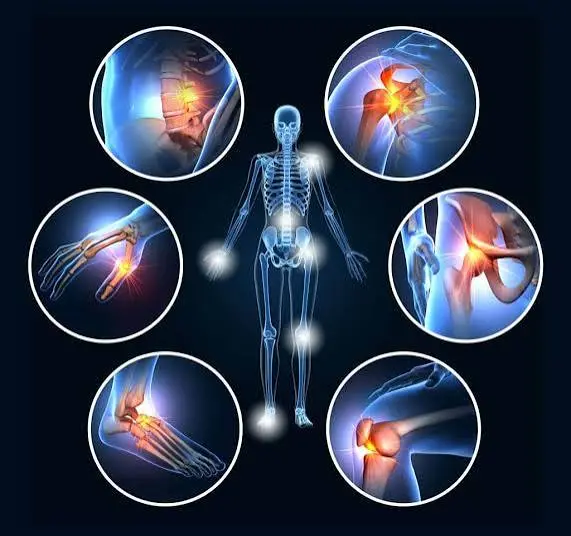
Common Types of Chronic Pain
Chronic Back Pain
Persistent lower back pain may be associated with disc problems, facet joint pain, spinal degeneration, muscle problems, or nerve irritation.
Chronic Neck Pain
Long-standing neck pain may result from poor posture, disc-related conditions, arthritis, muscle tension, or nerve irritation.
Chronic Joint Pain
Knee, shoulder, hip, ankle, and other joint pain may occur due to arthritis, previous injuries, inflammation, or degeneration.
Neuropathic Pain
Burning, shooting, electric-shock-like pain, tingling, or numbness may occur when nerves are damaged or irritated.
Cancer Pain
Cancer or its treatment can cause persistent pain that may require specialized medication and interventional pain management.
Musculoskeletal Pain
Pain involving muscles, tendons, ligaments, and other soft tissues may become chronic following injury, overuse, or repetitive strain.
Common Causes of Chronic Pain
- Arthritis and joint degeneration
- Chronic back or neck conditions
- Herniated or bulging discs
- Spinal stenosis
- Nerve compression
- Previous injuries
- Sports injuries
- Tendon disorders
- Neuropathy
- Cancer-related conditions
- Repetitive strain
- Long-term inflammation
Symptoms of Chronic Pain
- Constant or recurring pain
- Burning sensation
- Shooting or electric-shock-like pain
- Aching or throbbing
- Stiffness
- Tingling or numbness
- Muscle weakness
- Reduced mobility
- Sleep difficulties
- Fatigue
- Difficulty performing daily activities
- Pain-related anxiety or frustration
How Chronic Pain Can Affect Your Life
Sleep
Work
Exercise
Walking and mobility
Household activities
Social activities
Concentration
Emotional well-being
Overall quality of life
Chronic Pain Treatment Options
Medication Management
Appropriate medications may be used to manage pain and improve function. Depending on the type of pain, treatment may include medicines for inflammation, nerve-related pain, muscle spasm, or other symptoms. Medication selection is individualized according to your medical history and potential interactions with other medicines.
Image-Guided Injections
Selected pain conditions may benefit from targeted injections performed using ultrasound or fluoroscopic guidance. These procedures can help deliver medication accurately to the affected joint, nerve, tendon, or other structure.
Nerve Blocks
Nerve blocks involve delivering medication around specific nerves involved in transmitting pain.
They may be used for selected conditions and can sometimes provide both diagnostic information and therapeutic relief.
Epidural Injections
For selected patients with spinal nerve irritation, sciatica, or certain disc-related conditions, epidural injections may help reduce inflammation around irritated nerves.
Facet Joint Injections
Facet joints in the spine can become painful because of arthritis, degeneration, or injury. Targeted facet joint injections may be considered after appropriate evaluation.
Radiofrequency Ablation
The procedure uses controlled energy to modify pain signals from targeted nerves and may provide longer-lasting relief in appropriately selected patients.
PRP Therapy
Platelet-Rich Plasma (PRP) therapy uses concentrated platelets prepared from the patient’s own blood.
It may be considered for selected tendon, ligament, and musculoskeletal conditions. PRP is not appropriate for every cause of chronic pain, so proper diagnosis is important.
Physiotherapy & Rehabilitation
Rehabilitation is an important part of long-term pain management.
Depending on your condition, a program may include : Strengthening exercises, Stretching, Mobility training, Core strengthening, Posture correction, Balance exercises, Activity modification, Ergonomic guidance
When Should You See a Chronic Pain Specialist?
Pain continues for several weeks.
Pain repeatedly returns after temporary relief.
Pain interferes with sleep or work.
You rely regularly on pain medications.
Pain prevents you from exercising or staying active.
You experience numbness, tingling, or weakness.
Previous treatments have not provided adequate relief.
Pain is progressively affecting your quality of life.
A Multidisciplinary Approach to Chronic Pain
Chronic pain often requires more than one treatment approach.
A personalized plan may combine:
Accurate Diagnosis → Medication Management → Interventional Treatment → Physiotherapy → Lifestyle Modification → Follow-Up
Combining appropriate treatments can help address different contributors to pain while focusing on functional improvement.
Benefits of Chronic Pain Management
Effective pain management may help with:
- Reduced pain intensity
- Improved mobility
- Better sleep
- Increased physical activity
- Improved ability to work
- Reduced dependence on pain medication in appropriate cases
- Better participation in rehabilitation
- Improved confidence in daily activities
- Enhanced quality of life
Talk to a Chronic Pain Specialist Today
Dr. Raman Yadav offers personalized treatment plans based on the type and severity of the Chronic Pain.
Frequently Asked Questions (FAQs)
What is considered chronic pain?
Chronic pain is generally pain that persists or recurs for an extended period, often beyond the expected healing time of an injury or condition. The exact definition can vary depending on the clinical context.
Can chronic pain be completely cured?
The outcome depends on the underlying cause. Some chronic pain conditions can be effectively treated by addressing the source, while others may require long-term management. The goal is to reduce pain and improve function and quality of life.
Can chronic pain be treated without surgery?
Yes. Depending on the diagnosis, many patients can be managed with medication, physiotherapy, lifestyle modifications, image-guided injections, nerve blocks, and other minimally invasive procedures.
Is long-term pain medication always necessary?
Not necessarily. Treatment depends on the cause and severity of pain. A pain specialist can assess whether medication is appropriate and whether other treatment options can be incorporated.
Can nerve blocks help with chronic pain?
Nerve blocks may provide pain relief in selected conditions and can sometimes help identify the source of pain. Their suitability depends on the specific diagnosis.
Does physiotherapy help chronic pain?
Physiotherapy can be an important component of chronic pain management. Strengthening, mobility exercises, posture correction, and gradual activity can help improve function and physical capacity.