
Spine Pain Treatment in Gurgaon
Advanced Spine Pain Management by Dr. Raman Yadav
Spine pain can affect your ability to work, sleep, exercise, and enjoy everyday life. Whether you are experiencing back pain, neck pain, sciatica, slipped disc, or nerve-related pain, identifying the underlying cause is essential for effective treatment.
Dr. Raman Yadav, Pain Management Specialist in Gurgaon, provides comprehensive and minimally invasive treatment options for acute and chronic spine pain. His approach focuses on accurate diagnosis, targeted pain relief, improved mobility, and helping patients return to their normal activities with confidence.
What Is Spine Pain?
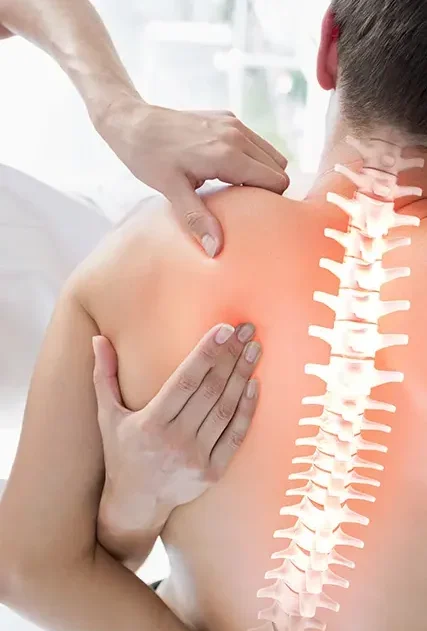
Spine pain refers to discomfort arising from the structures of the neck, upper back, lower back, or surrounding nerves and joints. It may develop suddenly following an injury or gradually due to age-related changes, poor posture, disc problems, or repetitive stress.
Spine pain can range from mild discomfort to severe pain that radiates into the arms or legs.
Common Types of Spine Pain
Lower Back Pain
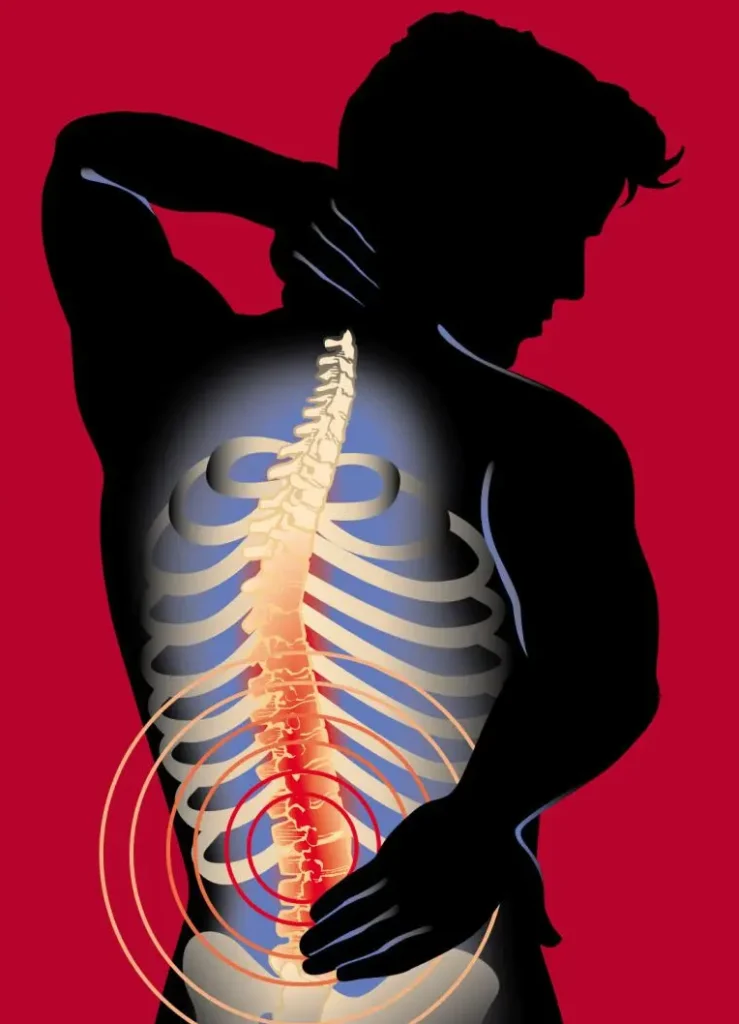
One of the most common spine problems, lower back pain can result from muscle strain, disc problems, arthritis, or spinal joints.
Neck Pain
Neck pain may be associated with poor posture, muscle tension, cervical disc problems, or age-related changes in the cervical spine.
Spinal Stenosis
Narrowing of the spinal canal or nerve openings can put pressure on nerves and cause back or leg pain, particularly while standing or walking.
Sciatica
Sciatica occurs when a nerve in the lower back becomes irritated or compressed, causing pain that may travel from the back into the buttock and leg.
Disc-Related Pain
Bulging or herniated discs can irritate nearby nerves and cause back pain, numbness, tingling, or weakness.
Facet Joint Pain
The small joints connecting the vertebrae can become painful due to arthritis, injury, or degeneration.
Common Causes of Spine Pain
- Slipped or herniated disc
- Disc degeneration
- Sciatica
- Spinal stenosis
- Facet joint arthritis
- Muscle strain
- Ligament injury
- Poor posture
- Prolonged sitting
- Sports injuries
- Age-related spinal changes
Symptoms Associated with Spine Pain
- Lower back or neck pain
- Pain spreading to the arms or legs
- Sciatica
- Numbness or tingling
- Burning or shooting pain
- Muscle weakness
- Stiffness
- Difficulty bending or moving
- Pain while sitting or standing
- Pain while walking
- Sleep disturbance
When Should You See a Spine Pain Specialist?
Your pain persists for several days or weeks.
Pain keeps returning despite home treatment.
Pain radiates into your arm or leg.
You experience numbness or tingling.
Pain interferes with sleep or work.
Pain is getting progressively worse.
Advanced Spine Pain Treatment Options
Medication Management
Appropriate medications may be recommended to manage pain and inflammation while other treatments are introduced. Medication selection is individualized according to the patient’s condition and medical history.
Epidural Steroid Injections
Epidural injections may be recommended for selected patients with nerve irritation, sciatica, or pain associated with certain disc conditions.The medication is delivered into the epidural space to help reduce inflammation around irritated nerves.
Selective Nerve Root Block
A selective nerve root block targets a specific spinal nerve that may be responsible for radiating pain. It can be used both as a diagnostic tool and as a treatment option in carefully selected patients.
Facet Joint Injections
Facet joints can become painful due to arthritis, degeneration, or injury. A targeted facet joint injection may help reduce pain and inflammation in appropriate patients.
Trigger Point Injections
When muscle tightness and myofascial pain contribute to spine-related discomfort, trigger point injections may be considered to reduce localized muscle pain and improve movement.
Sacroiliac Joint Injection
Pain from the sacroiliac joint can sometimes mimic lower back or leg pain. An image-guided SI joint injection may help diagnose and manage pain originating from this joint.
Non-Surgical Spine Pain Management
Many spine pain conditions can initially be managed without surgery.
Depending on the diagnosis, a treatment plan may combine:
Accurate Diagnosis → Medication → Image-Guided Procedures → Physiotherapy → Lifestyle Modification → Follow-Up
The aim is to control pain while addressing contributing factors and improving function.
Benefits of Advanced Spine Pain Management
- Targeted pain relief
- Improved mobility
- Better sleep
- Improved ability to perform daily activities
- Reduced dependence on pain medication in appropriate cases
- Support for rehabilitation
- Minimally invasive treatment options
- Personalized treatment planning
Talk to a Spine Pain Specialist Today
Don't allow persistent back or neck pain to limit your daily life. Dr. Raman Yadav, Pain Management Specialist in Gurgaon, provides personalized evaluation and advanced treatment options for spine-related pain.
Frequently Asked Questions (FAQs)
What is the most common cause of spine pain?
Spine pain can have many causes, including muscle strain, disc problems, arthritis, nerve irritation, poor posture, and age-related spinal changes. A proper evaluation is important to identify the actual source.
Can spine pain be treated without surgery?
Yes. Many patients can be managed with medications, physiotherapy, lifestyle modifications, and selected minimally invasive procedures. Surgery may be considered when there is a specific indication or when appropriate non-surgical treatments have failed.
Is an epidural injection safe?
Epidural injections are generally considered safe when performed in appropriately selected patients by trained specialists. Like any medical procedure, they have potential risks, which should be discussed during consultation.
How long does spine pain treatment take?
Recovery varies depending on the underlying condition, duration of symptoms, overall health, and treatment used. Some patients may experience improvement quickly, while chronic conditions may require a longer rehabilitation program.
Can a slipped disc heal without surgery?
Many disc-related conditions improve with non-surgical treatment. The appropriate approach depends on symptoms, neurological findings, imaging results, and how the condition responds to treatment.