
Heel Pain & Elbow Pain Treatment in Gurgaon
Advanced Non-Surgical Pain Management by Dr. Raman Yadav
Persistent heel or elbow pain can make everyday activities such as walking, exercising, working, or lifting objects difficult. Whether your pain is caused by plantar fasciitis, Achilles tendon problems, tennis elbow, golfer’s elbow, arthritis, or an overuse injury, accurate diagnosis is important for effective treatment.
Dr. Raman Yadav, Pain Management Specialist in Gurgaon, provides personalized evaluation and advanced, minimally invasive treatment options for chronic heel and elbow pain. Treatment is tailored to the underlying cause, severity of symptoms, lifestyle, and individual recovery goals.
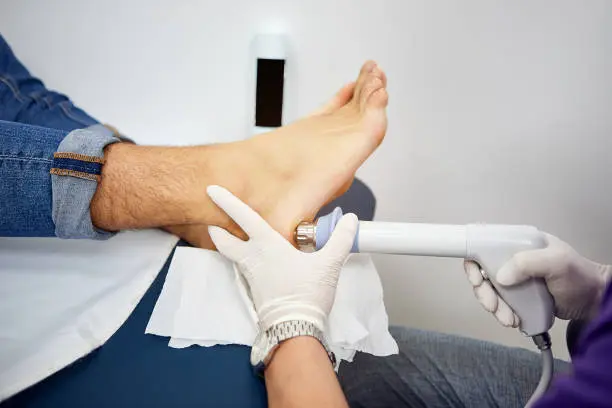
Heel Pain Treatment in Gurgaon
Heel pain is a common musculoskeletal problem that can affect people of all ages. It may develop gradually because of repetitive stress or suddenly following an injury.
Pain may be felt underneath the heel, at the back of the heel, or around the sides of the foot.
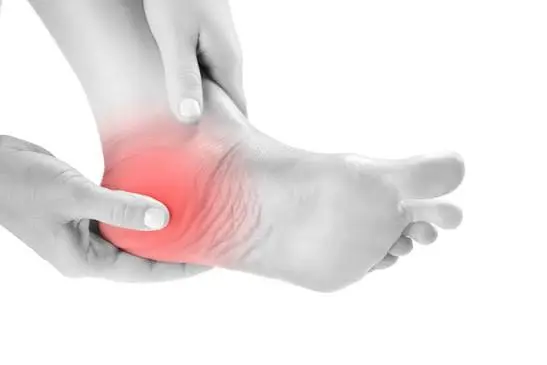
Heel Pain Treatment Options
Activity Modification
Temporary modification of activities that aggravate the pain can allow irritated tissues to recover while maintaining appropriate movement.
Physiotherapy
A customized rehabilitation program may include: Calf stretching, Plantar fascia stretching, Foot and ankle strengthening, Mobility exercises, Gait correction, Activity modification
Ultrasound-Guided Procedures
For selected patients who do not respond adequately to conservative treatment, image-guided procedures may be considered to accurately target the affected structure.
PRP Therapy
Platelet-Rich Plasma (PRP) therapy uses concentrated platelets prepared from the patient’s own blood. It may be considered for selected chronic tendon or plantar fascia-related conditions.
Shockwave Therapy
Shockwave therapy may be considered for certain chronic tendon and plantar fascia conditions. It uses mechanical energy to stimulate tissue healing and reduce pain.
Nerve Blocks
If nerve irritation contributes to heel pain, a targeted nerve block may be considered after appropriate evaluation.
Common Causes of Heel Pain
- Plantar fasciitis
- Achilles tendinitis
- Heel spur
- Ankle and foot biomechanics problems
- Tight calf muscles
- Poor footwear
- Excessive body weight
- Nerve-related foot pain
Symptoms of Heel Pain
-
Patients may experience:
- Pain under the heel
- Sharp pain with the first steps in the morning
- Pain after prolonged standing
- Pain after exercise or running
- Tenderness around the heel
- Pain at the back of the heel
- Stiffness in the foot or ankle
- Difficulty walking or running
Elbow Pain Treatment in Gurgaon
Elbow pain can develop from repetitive movements, sports activities, workplace strain, injury, or age-related changes. It can affect your ability to grip, lift, exercise, or perform routine tasks.
Common Causes of Elbow Pain : Tennis elbow, Golfer’s elbow, Tendinitis, Bursitis, Arthritis, Sports injuries, Ligament injuries, Muscle strains, Repetitive strain injuries, Nerve irritation, Previous trauma
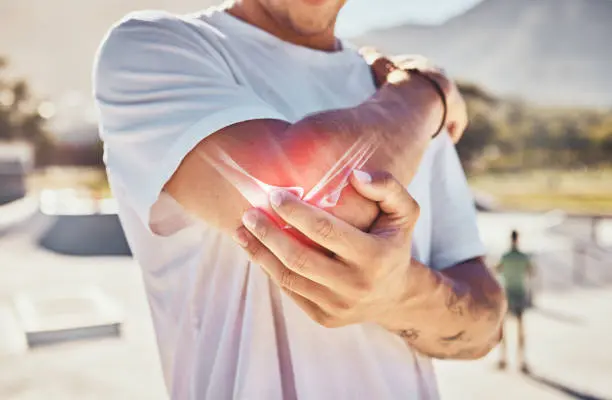
Tennis Elbow
-
Tennis elbow, medically known as lateral epicondylitis, commonly causes pain around the outer part of the elbow.
It can occur due to repetitive use of the wrist and forearm and is not limited to tennis players.
Common Symptoms
- Pain on the outside of the elbow
- Pain while gripping objects
- Weakness in the hand
- Pain while lifting
- Tenderness around the elbow
- Difficulty performing repetitive movements
Golfer's Elbow
Golfer’s elbow, or medial epicondylitis, affects the tendons on the inner side of the elbow.
It may occur in golfers, athletes, workers, or anyone performing repetitive wrist and forearm movements.
Common Symptoms
- Pain on the inner side of the elbow
- Tenderness
- Pain during gripping
- Wrist weakness
- Pain while lifting or exercising
Elbow Pain Treatment Options
Rest & Activity Modification
Reducing activities that repeatedly aggravate the elbow can help the affected tissues recover.
Physiotherapy
Rehabilitation may include: Stretching exercises, Forearm strengthening, Grip strengthening, Mobility exercises, Corrective exercises, Gradual return to activity
Ultrasound-Guided Injections
For selected patients, ultrasound-guided procedures can accurately target the affected tendon, joint, or surrounding structure.
PRP Therapy
PRP may be considered for selected chronic tendon conditions such as tennis elbow or golfer’s elbow.
Shockwave Therapy
Shockwave therapy may be considered for certain chronic tendon conditions that have not responded adequately to conservative treatment.
Nerve Blocks
If nerve-related pain contributes to elbow symptoms, targeted nerve blocks may be considered after appropriate evaluation.
When Should You See a Specialist?
Heel or elbow pain persists despite rest.
Pain interferes with walking, exercise, or work.
Symptoms repeatedly return.
There is persistent swelling or tenderness.
You experience weakness or restricted movement.
Pain is affecting sleep.
Talk to a Heel Pain & Elbow Pain Specialist Today
Dr. Raman Yadav, Pain Management Specialist in Gurgaon, offers personalized diagnosis and advanced treatment options for heel, plantar fascia, Achilles tendon, tennis elbow, golfer's elbow, and other musculoskeletal pain conditions.
Frequently Asked Questions (FAQs)
What is the most common cause of heel pain?
Plantar fasciitis is one of the most common causes of heel pain. However, Achilles tendon problems, nerve irritation, injuries, and other conditions can also cause heel pain.
What is the most common cause of elbow pain?
Tennis elbow and golfer’s elbow are common causes of elbow pain, particularly in people who perform repetitive wrist and forearm movements.
Can heel pain be treated without surgery?
Yes. Many cases improve with activity modification, stretching, physiotherapy, appropriate footwear, and other non-surgical treatments. Selected patients may benefit from procedures such as PRP or shockwave therapy.
Can tennis elbow heal without surgery?
Yes. Most patients can initially be managed with activity modification, rehabilitation, and other non-surgical treatments. Persistent cases may require further evaluation and targeted treatment.
Is PRP useful for heel and elbow pain?
PRP may be considered for selected chronic tendon or plantar fascia-related conditions. Its suitability depends on the diagnosis and individual patient factors.
How long does heel or elbow pain take to improve?
Recovery varies according to the cause, severity, duration of symptoms, and treatment. Chronic conditions may require several weeks or months of structured rehabilitation.