Sports Injuries Treatment in Gurgaon
Advanced Sports Injury Management by Dr. Raman Yadav
Whether you’re a professional athlete, fitness enthusiast, or someone who enjoys recreational sports, injuries can interrupt your active lifestyle. Dr. Raman Yadav, an experienced Pain Management Specialist in Gurgaon, provides comprehensive, non-surgical, and minimally invasive treatments for sports injuries to relieve pain, restore mobility, and help you return to your sport safely.
Our goal is not only to treat the injury but also to prevent recurrence through personalized rehabilitation and evidence-based pain management.
What Are Sports Injuries?
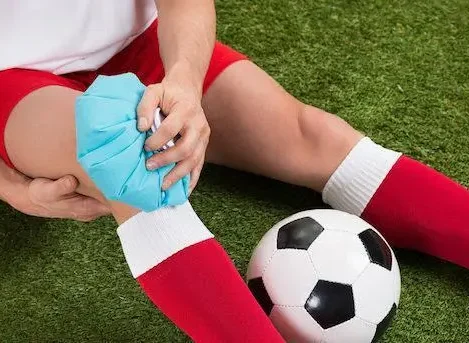
Sports injuries are injuries that occur during physical activity, exercise, or sports participation. They can affect muscles, ligaments, tendons, bones, joints, or nerves due to sudden trauma, repetitive stress, or improper training techniques.
Early diagnosis and appropriate treatment can significantly reduce recovery time and prevent long-term complications.
Symptoms of Sports Injuries
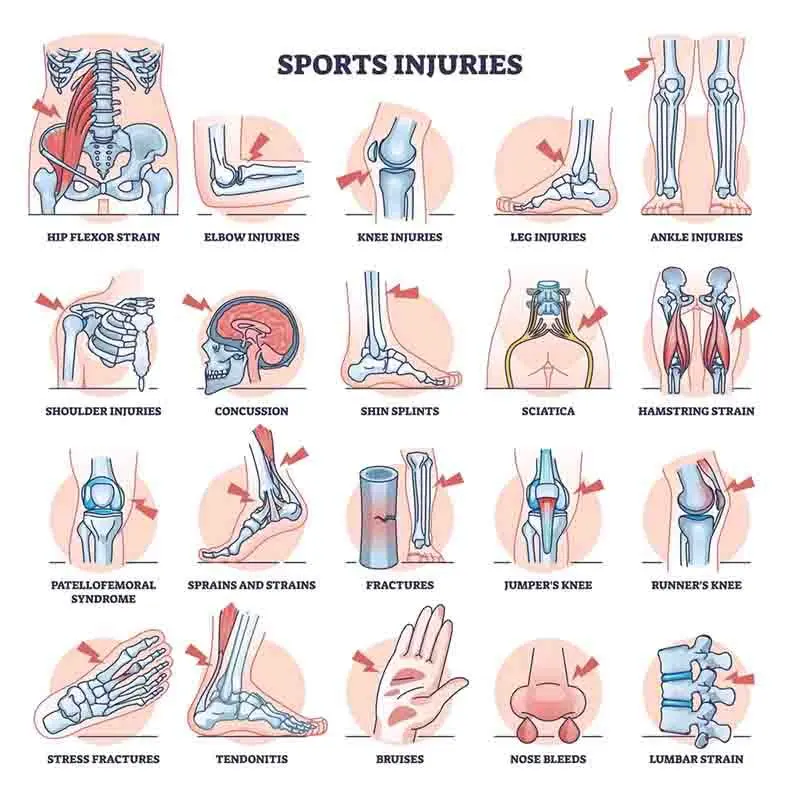
- Sudden or severe pain
- Swelling around the joint
- Muscle weakness
- Limited range of motion
- Difficulty walking or running
- Joint instability
- Tenderness
- Bruising
- Clicking or locking of joints
- Persistent pain during exercise
Causes of Sports Injuries
- Overtraining
- Poor warm-up or stretching
- Incorrect exercise techniques
- Sudden twisting movements
- Falls and direct impact
- Muscle imbalance
- Weak core muscles
- Inadequate recovery between workouts
- Poor footwear
- Repetitive stress
When Should You Consult a Sports Injury Specialist?
Pain lasts more than a few days.
Swelling continues despite rest.
You cannot bear weight on the injured limb.
Pain returns every time you exercise.
Joint movement becomes restricted.
Previous injuries keep recurring.
Advanced Sports Injury Treatments
Medication Management
Pain-relieving and anti-inflammatory medications may be prescribed to reduce pain and swelling during the early stages of recovery.
Ultrasound-Guided Injections
Precision-guided injections deliver medication directly to the affected tendon, ligament, or joint, helping reduce inflammation and promote healing.
PRP (Platelet-Rich Plasma) Therapy
PRP therapy uses the patient’s own blood platelets to stimulate natural tissue repair. It is commonly used for tendon injuries, ligament sprains, tennis elbow, plantar fasciitis, and muscle injuries.
Prolotherapy
Prolotherapy stimulates the body’s healing response and strengthens injured ligaments and tendons, particularly in chronic sports injuries.
Nerve Blocks
For persistent pain that does not improve with conventional treatments, image-guided nerve blocks can provide targeted pain relief.
Radiofrequency Ablation (RFA)
In selected chronic pain conditions, radiofrequency ablation offers long-lasting pain relief by interrupting pain signals from affected nerves.
Benefits of Early Sports Injury Treatment
- Faster recovery
- Reduced pain
- Improved mobility
- Prevents chronic injuries
- Restores athletic performance
- Reduces risk of surgery
- Safe return to sports
- Better long-term joint health
Recovery & Prevention Tips
- Warm up before exercise.
- Stretch regularly.
- Use proper sports techniques.
- Wear appropriate footwear.
- Increase training intensity gradually.
- Stay hydrated.
- Allow adequate rest and recovery.
- Strengthen core and stabilizing muscles.
- Listen to your body’s warning signs.
Talk to a Sports Injury Specialist Today
Dr. Raman Yadav offers personalized treatment plans based on the type and severity of the injury.
Frequently Asked Questions (FAQs)
Can sports injuries heal without surgery?
Yes. Most sports injuries can be effectively managed with conservative treatments such as physiotherapy, medications, PRP therapy, ultrasound-guided injections, and rehabilitation. Surgery is only required for certain severe injuries.
How soon should I see a doctor after a sports injury?
You should seek medical attention if pain, swelling, or difficulty moving persists for more than 24–48 hours, or if the injury prevents you from bearing weight or using the affected limb.
What is PRP therapy?
Platelet-Rich Plasma (PRP) therapy uses concentrated platelets from your own blood to promote the natural healing of injured tendons, ligaments, and muscles.
When can I return to sports after treatment?
The timeline depends on the type and severity of the injury. Dr. Raman Yadav will create a personalized rehabilitation plan and guide you on a safe return to sports.
Can recurrent sports injuries be prevented?
Yes. Proper rehabilitation, strength training, flexibility exercises, and correcting movement patterns can significantly reduce the risk of recurring injuries.